
Oct 21, 2026
The difference between taste and informed designs
Read the Article →

Multi-channel retail — Instagram, Google Shop, site, store — is table stakes. Every agency ships it. The unsolved problem is what lives behind the channels: 30–40% of your inventory is dead stock, markdown risk is invisible until it hits the P&L, and your customer is split across four systems as four strangers. ShelfSense is the Django-powered inventory-intelligence engine that makes the channels honest — with a 60-minute reorder SLA and a 48-hour customer-identity SLA, both invoice-backed.


The reason Instagram Shop and Google Shop "fall out of sync" isn't the sync tool — it's that the SKU data underneath is wrong at the source. Every sync just propagates the error faster. And the reason boutiques quietly close isn't lack of discovery — it's 30–40% of inventory sitting as dead stock, eating working capital and margin. The channels are table stakes. The data behind them is the business.
Every client gets ShelfSense — our Django-powered SKU-intelligence, velocity-forecasting, and customer-identity engine. Not a sync tool, not a monthly SaaS bill from a company that's never worked a boutique floor. Yours, hosted and maintained by us, integrated with the POS and eCommerce platform your team already uses.
Inventory side: every SKU that hits its velocity trigger gets a real reorder recommendation within 60 minutes, p95. Customer side: every new customer profile is unified across channels within 48 hours, p95. Both measured on every event, both reported in your monthly, both invoice-backed. Miss either for a calendar month and you don't pay for that month's respective engine.
The competitor promises multi-channel sync with no timing and no guarantee. We promise a reorder decision in 60 minutes and a customer profile in 48 hours — with the invoice behind the promise.
The Django-powered SKU-intelligence, velocity-forecasting, and customer-identity engine. Live from week one, integrated with your POS and eCommerce platforms, hosted and maintained by us.
Shopify or WooCommerce, bilingual catalog, optimized checkout, payment plans, in-store pickup, delivery. Synced to Shop on Google, Instagram Shop, and TikTok Shop — with the SKU data foundation rebuilt so the sync is actually honest.
Bilingual creative, UGC-driven, retargeting visitors who didn't buy. Attribution back to the SKU that sold, so you know which creative actually moves product.
60-minute reorder recommendations on every velocity trigger, SLA-backed. Markdown-exposure forecast 30 days before the cut. The two numbers that decide whether a boutique compounds or stalls.
One profile per real customer, matched across register, Shopify, IG Shop, TikTok Shop, and email. Unified LTV, channel history, UGC contributions, and referral attribution — visible for the first time.
Welcome, abandoned cart, birthday, VIP, promos — segmented by language, by channel affinity, and by UGC-contribution status. Fired when the customer is actually ready to buy, not on a generic drip.
Atlanta's premium boutique corridor spans Buckhead Village, West Midtown, Ponce City Market, Krog Street, and Colony Square. High-foot-traffic, high-expectation customers who shop the store, the site, and the IG in the same visit. ShelfSense tracks per-corridor SKU velocity — you know which styles sell in Buckhead vs Ponce City, and price/stock accordingly.
Atlanta is the third-largest film and TV production market in the U.S. — a creative class with high visual literacy and strong UGC culture. ShelfSense tracks per-creator UGC attribution at the SKU level, so you know which customers' UGC actually sells which product. The boutique that measures this in Atlanta doubles down on the right creators.
The Atlanta University Center — Spelman, Morehouse, Clark Atlanta, Morris Brown — anchors a powerful Black-owned boutique ecosystem and a fashion-forward customer base. ShelfSense tracks per-corridor velocity and per-corridor LTV, so boutiques serving AUC students and alumni can price and stock with precision instead of guessing.
Atlanta has dense boutique clusters in Chamblee (Korean), Buford Highway (Latino + Asian), Clarkston (refugee and East African), and Decatur (multi-ethnic). Different customer expectations, different seasonality, different UGC cultures. ShelfSense tracks per-corridor velocity, per-corridor markdown behavior, and per-corridor identity data — so each boutique serves its own community with precision.

This isn't about a prettier storefront or a smarter sync tool. It's about a system that treats every SKU as a working-capital decision and every customer as a relationship with an LTV — and shows you the numbers that prove it.


Fashion boutiques live and die on sell-through. The 30–40% of inventory that becomes dead stock is the entire margin difference between a boutique that reorders next season and one that closes. ShelfSense identifies dead stock at 30 days, forecasts markdown exposure 30 days before the cut, and gives you a real size curve on every reorder.

Home goods have long replenishment cycles and higher per-SKU working capital. A single sofa or dining set ties up the same cash as 40 dresses. ShelfSense tracks per-SKU velocity against working-capital cost, so you know which pieces actually earn their shelf space — and which are costing you the cash you need for the next buy.

Beauty is repeat-purchase dominant — the same customer buying the same serum every 60 days is worth 12× the one who bought once. ShelfSense's identity resolution is the entire game here: match her across in-store, site, and IG Shop, predict her reorder window from actual usage cadence, and fire the reorder prompt at the right moment.

Streetwear runs on drops, hype cycles, and UGC. The SKU velocity curve is completely different — 3-day sellouts on some SKUs, 90-day slow-burn on others, and resale-market feedback on which drops to repeat. ShelfSense's per-SKU UGC attribution is the differentiator here — it tells you which customer's post actually moved the drop.
Every ShelfSense instance is tested in a live service window before launch. Real SKUs, real velocity data, real reorder decisions, real customer identity matches. Every site is tested on real mobile devices, screen readers, and slow connections. Bilingual copy is native-verified. If a system doesn't meet the standard in live traffic, it doesn't ship.
Custom HTML/CSS. Not Wix, not page builder WordPress.
Sub-2-second loads. Nothing in the way to undo later.
SKU history, velocity records, customer-identity profiles, and markdown forecasts are yours — exportable.
EN/ES written by native speakers, not machine-translated.


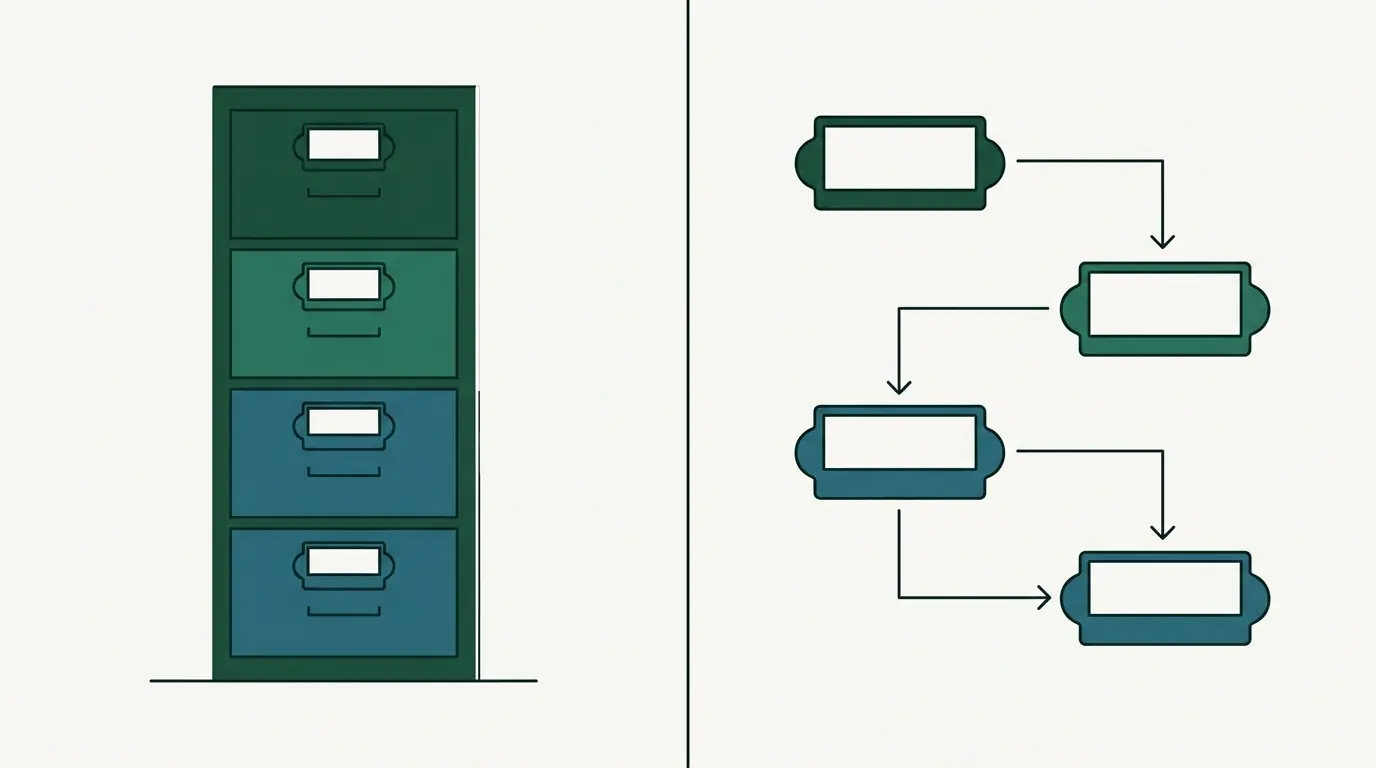
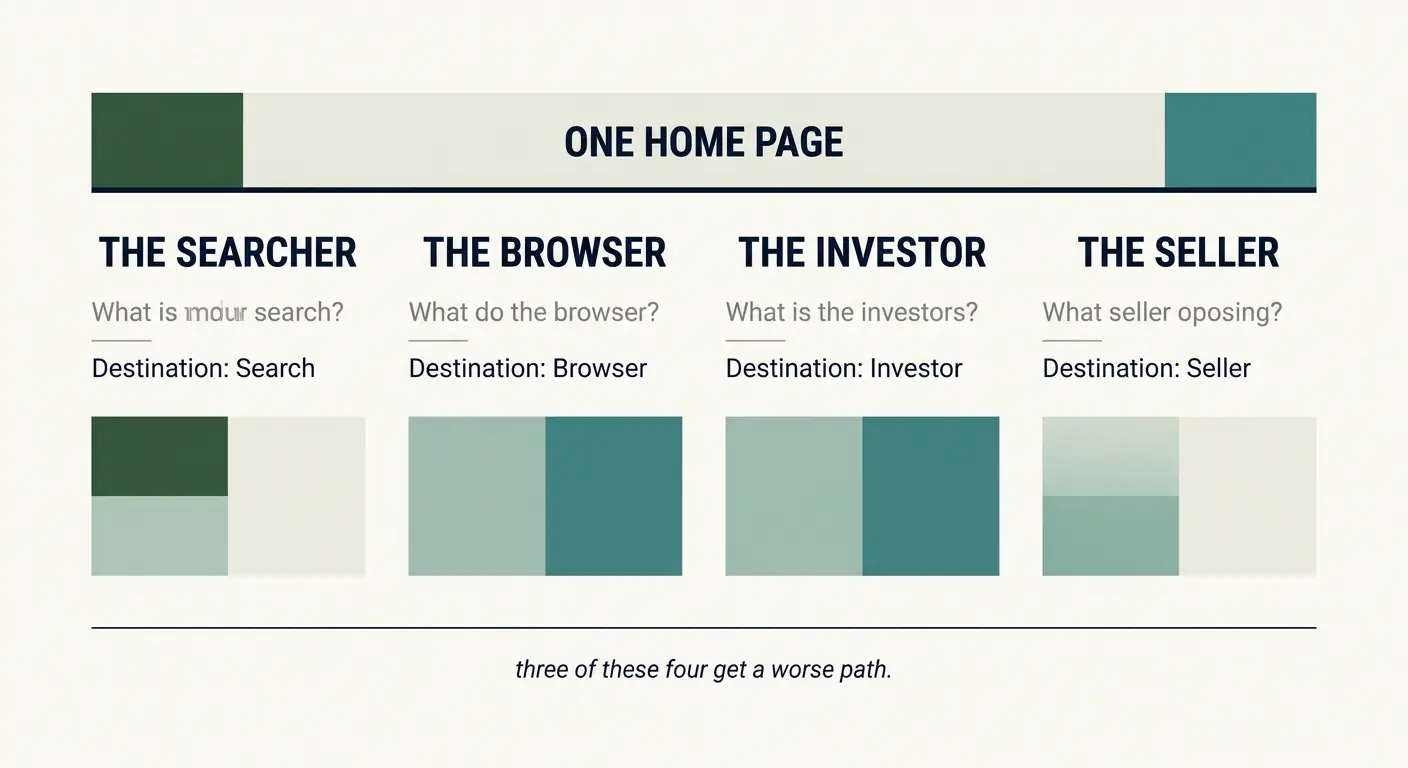
Multi-channel sync is table stakes — every retail agency ships it. But sync doesn't fix the underlying problem: 30–40% of your inventory is dead stock, and your customer is split across four systems as four strangers. ShelfSense rebuilds the SKU data foundation so the sync is actually honest, and unifies customer identity across channels so you're not marketing to one person four times as a stranger. We're not selling channels — we're selling the inventory intelligence behind the channels.
Both real, both measured. The 60-minute reorder SLA is measured on every SKU that hits its velocity trigger — p95, reported in your monthly. The 48-hour identity-match SLA is measured on every new customer profile — p95, reported in your monthly. Miss either for a calendar month and you don't pay for that month's respective engine. The competitor promises 'real-time inventory' with no timing and no guarantee. We promise a decision in 60 minutes and a profile in 48 hours, with the invoice behind the promise.
No. ShelfSense sits on top of your existing POS and eCommerce platforms. It reads SKU data, sales history, and customer records, generates reorder recommendations, forecasts markdown exposure, and unifies customer identity across channels. You keep the software your team already knows; we make the operations layer above it intelligent.
Every SKU gets a velocity score — actual sales vs. expected seasonality. When a SKU drops below threshold at 30 days, ShelfSense flags it. That's the window where you can still clear it at 60–70% of margin through bundling, a channel shift, or a targeted promo. The typical boutique doesn't recognize dead stock until 90–180 days, when clearance is the only option and margin is 20–30% at best. The 30-day flag is the difference between a $40 haircut and a $90 one, per SKU, on every SKU.
ShelfSense matches customer records across your POS, Shopify, IG Shop, TikTok Shop, and email platform using a probabilistic identity graph — email, phone, purchase history, and device signals. When the match is confident, the profiles merge into one unified customer with a combined LTV, channel history, and UGC contributions. Every match is auditable, and you can review and correct merged profiles. The result: one real person = one LTV, instead of four strangers in four systems.
No deck, no pitch, no 'digital strategy.' Just the three things costing you margin, working capital, and customer LTV this season — and what we'd do about them this week.
Schedule a free call