The difference between taste and informed designs
I finished the last piece with a question I didn't answer.
Understanding purpose, tradeoff, and consequence tells you whether you've …
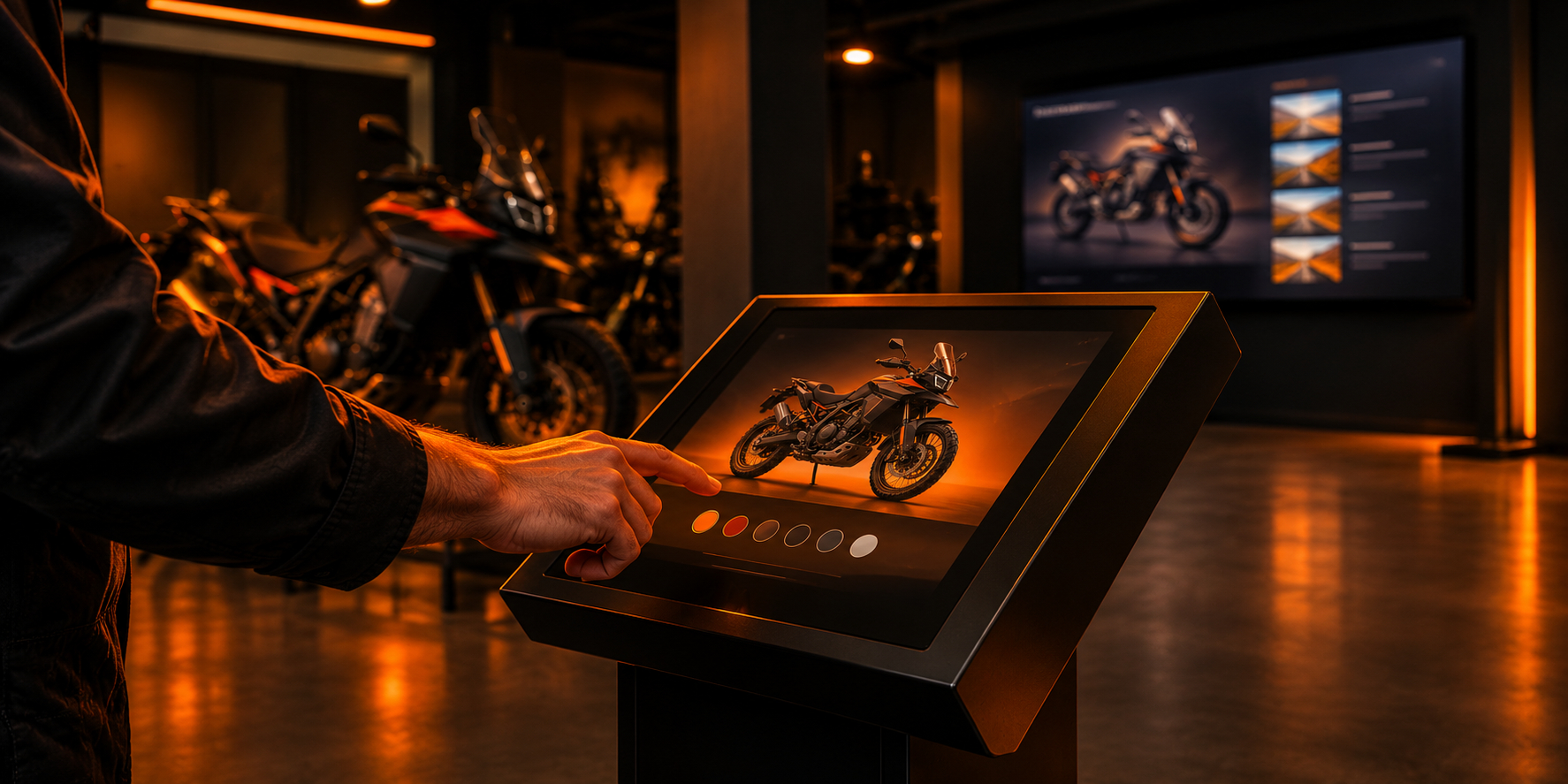
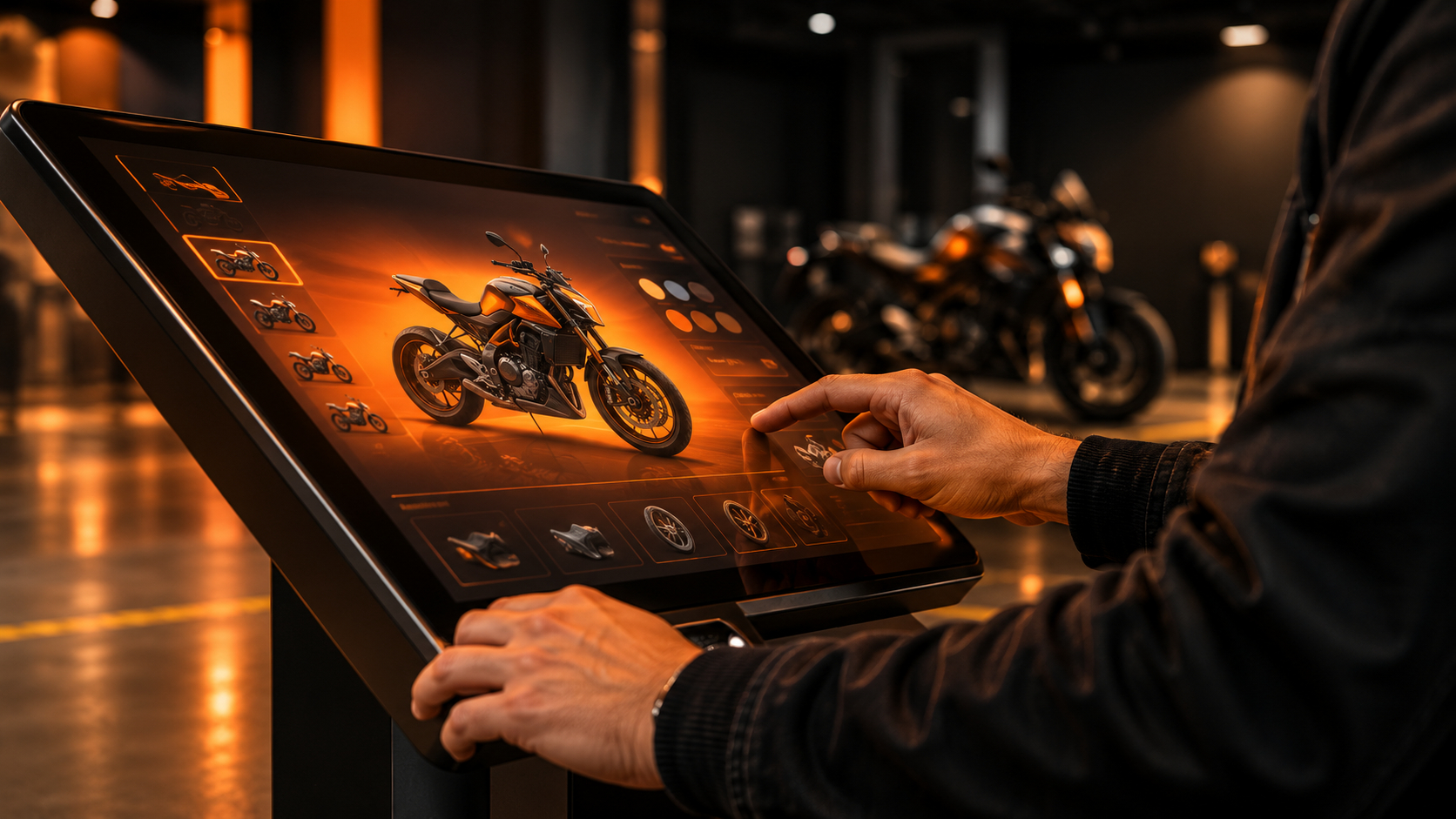
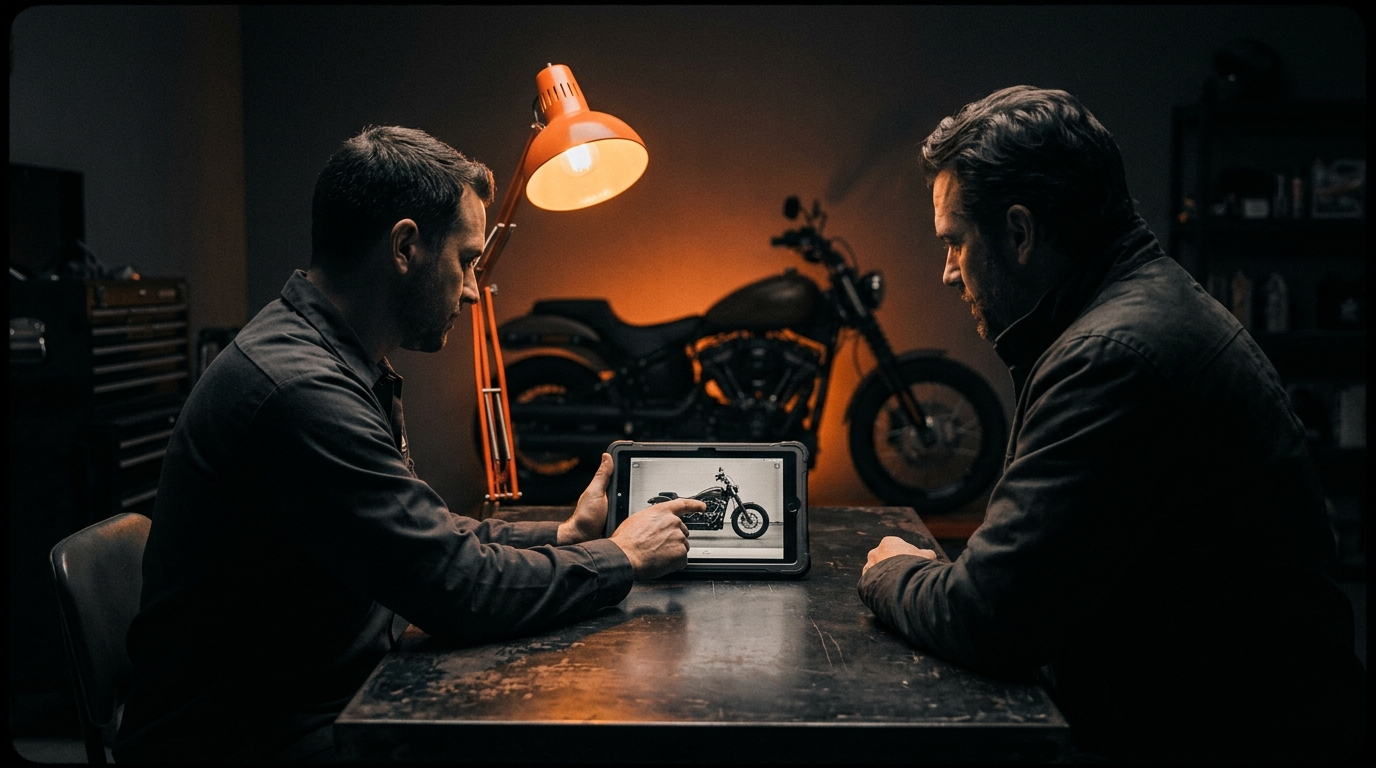
Customers walk up to a touchscreen, pick a model, configure colors, exhaust, luggage, and accessories, and see a live build with a price. It runs on your website today and on Raspberry Pi in your showroom tomorrow, managed from one central CMS.
A customer selects a model, then explores colors, trim, exhaust, seats, luggage, graphics, and apparel. The screen shows the live build, a price estimate, and a QR code to save or share the configuration. The build follows the customer from the kiosk to your sales desk.
Every screen in the store runs on a Raspberry Pi player. One dealership runs fifteen displays off this; an OEM network could run thousands. Promotions, financing offers, new-model launches, and service campaigns go out from one dashboard, scheduled per store.
The kiosk keeps working when the internet drops, because content caches locally on the Pi. Devices report heartbeats, storage, and screen status, so you know what is playing and what is offline. Leads from kiosk route to the right salesperson.
Most dealership websites begin with inventory and ask the buyer to become an expert in makes, models, years, and trims. This one begins with the rider's real situation and narrows the field before showing a single motorcycle.

Turn the floor into an interactive purchase journey. Build-A-Bike on a touchscreen, complementary signage throughout the store, and one CMS that manages every display from anywhere.
Declined repairs that stay alive instead of vanishing, repair history that compounds on every VIN, and a worklist of who to talk to today, with the dollars already computed.
A rider brief with the use case, budget, shortlist, and objections already written down. Less repetitive use-case questioning, faster movement from inquiry to a viable motorcycle.
WCAG 2.2 AA accessibility by design, W3C-valid code with zero errors, and a 0.5-second LCP target on mobile. Semantic HTML, real keyboard and screen-reader testing, and performance built for actual mobile connections and in-store touchscreens, not just a Lighthouse score. One honest limit: hitting 0.5 seconds on a live site depends on image discipline from whoever uploads content, so the CMS enforces file-size limits and format checks rather than trusting anyone to remember. If it does not meet the standard, it does not ship.
Written down, so you can hold us to it.
I finished the last piece with a question I didn't answer.
Understanding purpose, tradeoff, and consequence tells you whether you've …
If the hero image on SuClasico’s home page is a showroom, glass front, a row of cars inside, the sign …
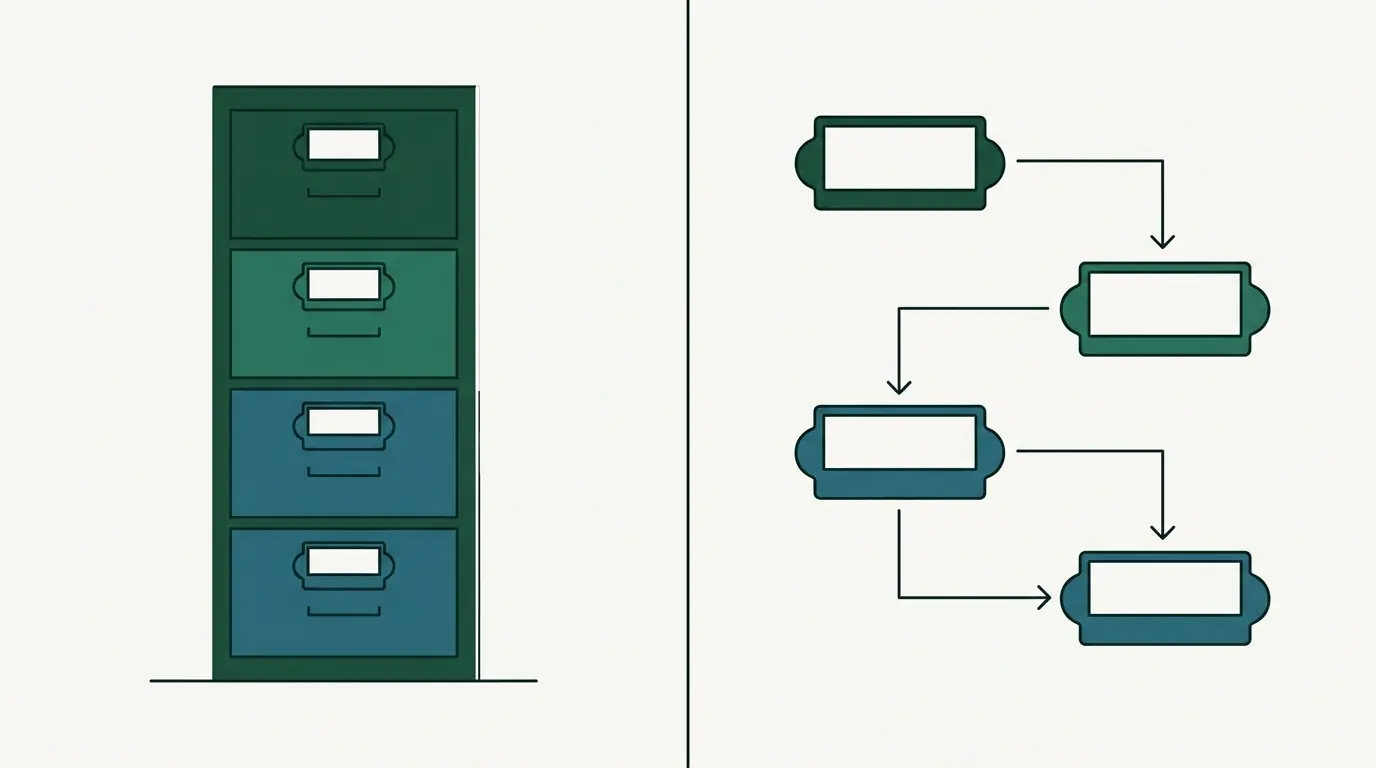
Same client. Same list. Home, inventory, about, contact.
If I build that list, I've built a filing cabinet. Four drawers …
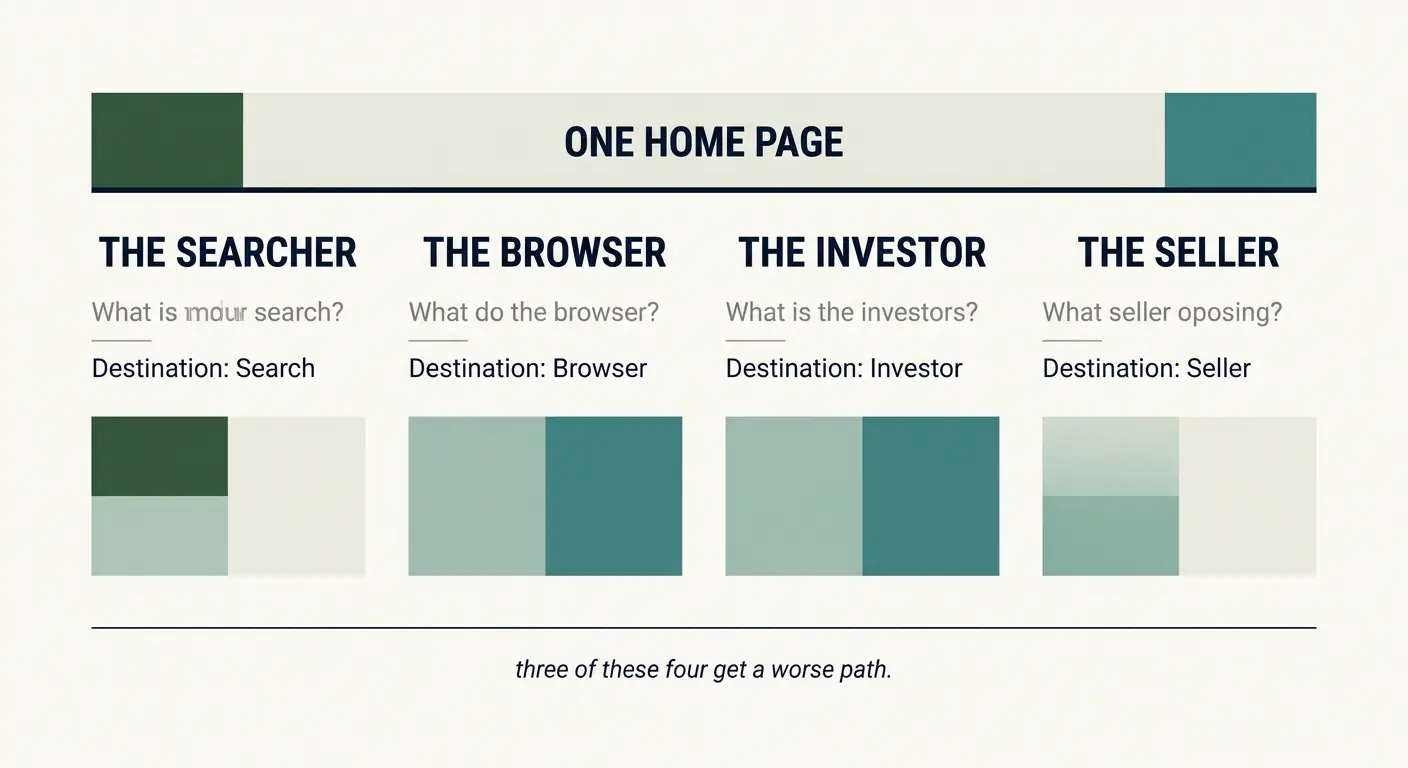
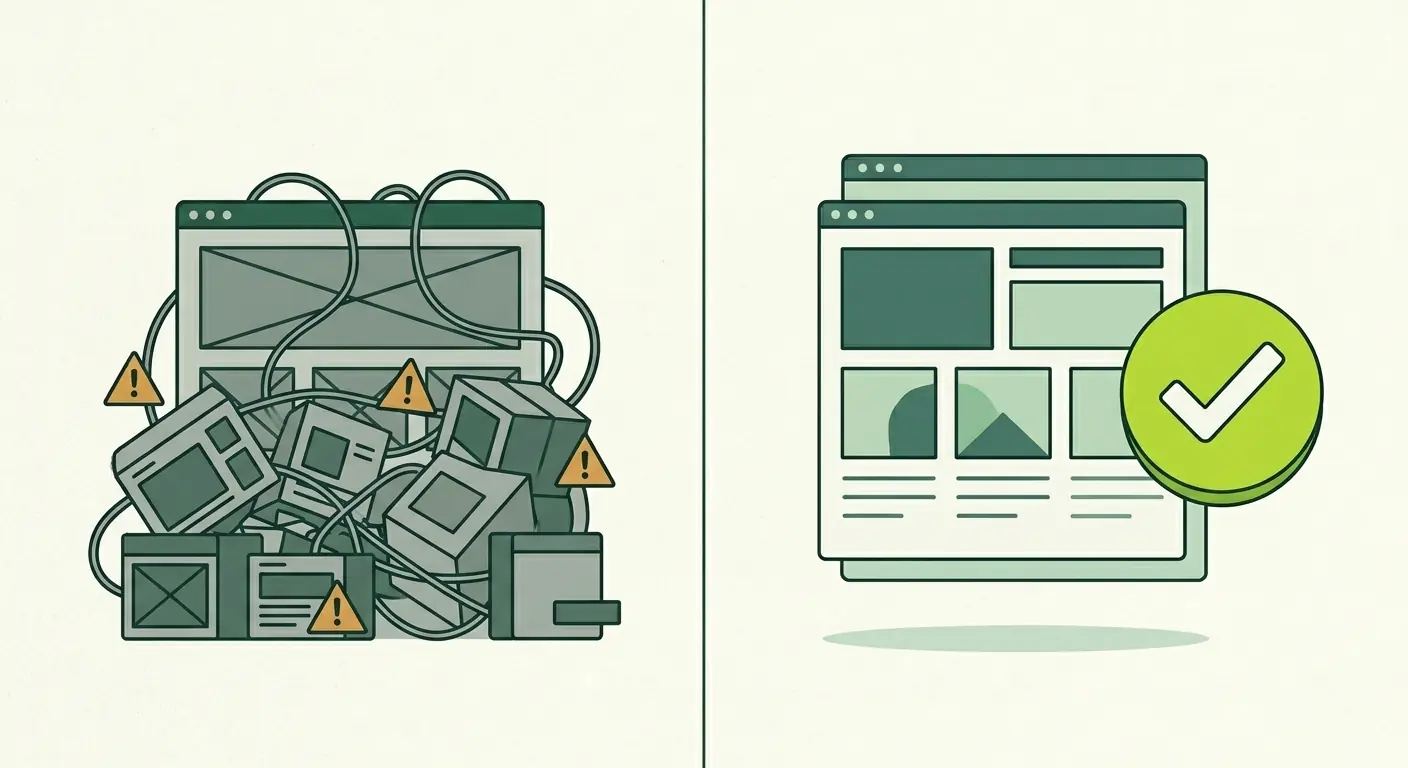
Before choosing pages, fonts, or a color palette, a designer needs to understand who is visiting, what they need to …
You’re website's got two seconds to convince a visitor your worth their time. And it starts with understanding what they …
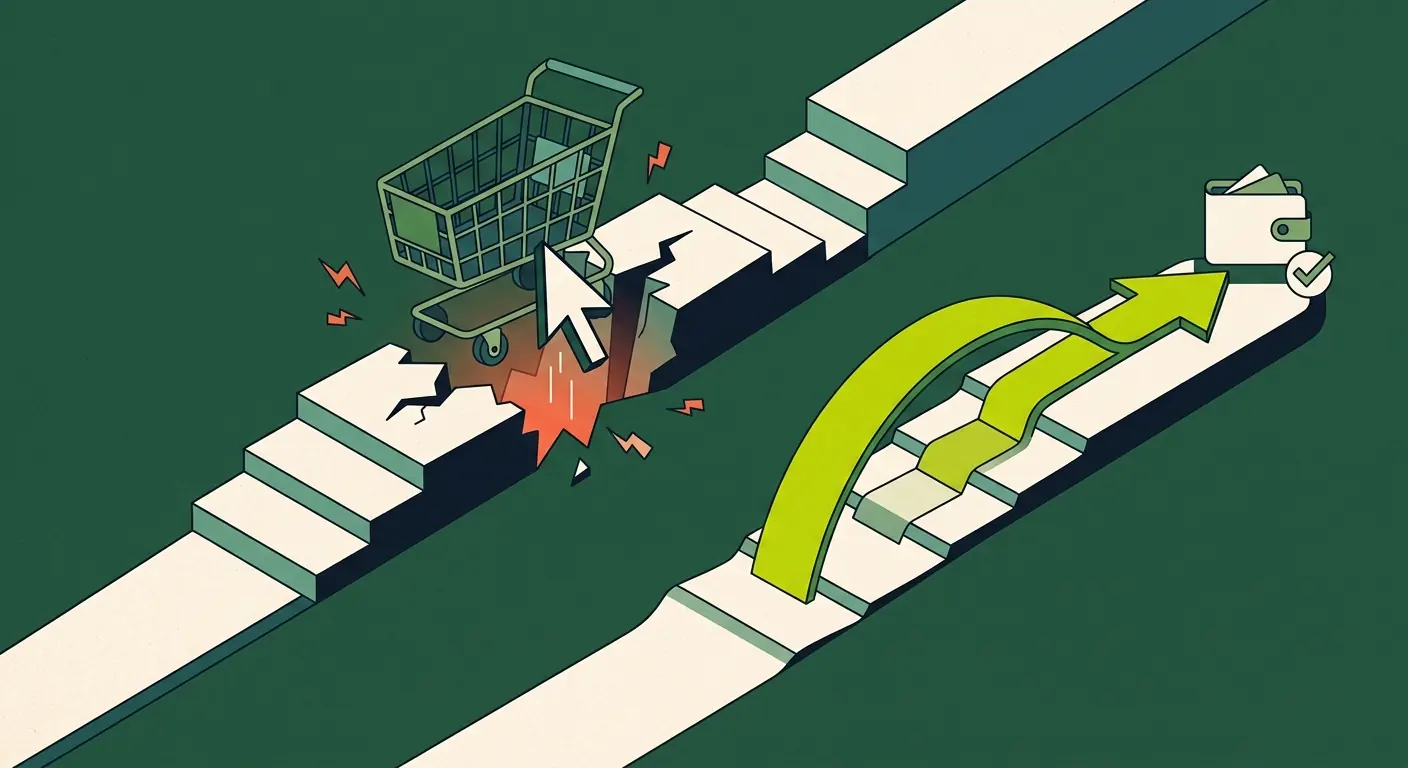
The most important part of your website is the user experience and at its core you have speed, conversion, and …
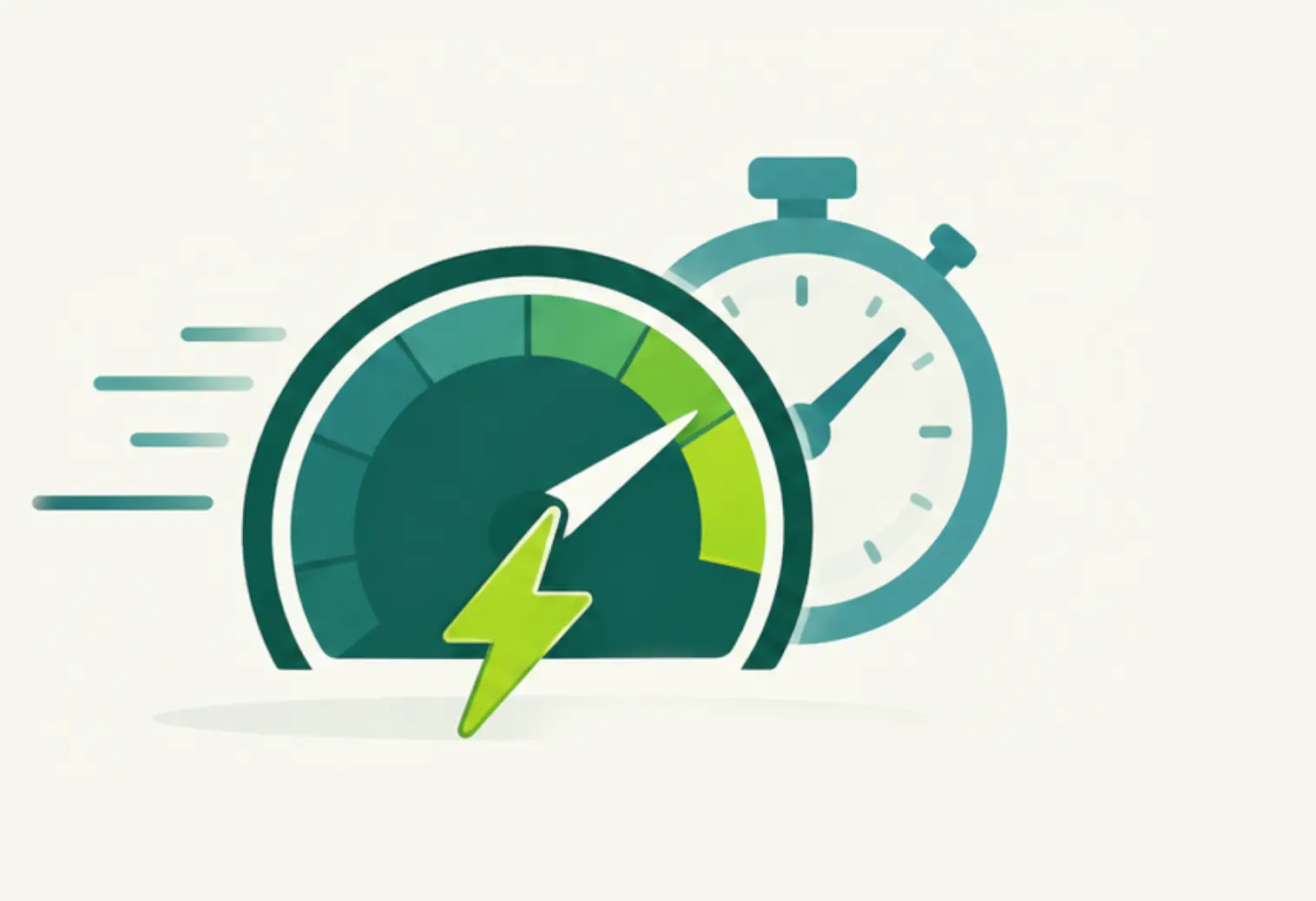
Page speed is the single most important part of your website and one of the most lied about and ignored. …
Yes. It runs on your website today and on Raspberry Pi-powered touchscreens in the showroom. A central Django CMS pushes content, schedules, and layouts to dealer screens across the country or the world, with device monitoring and offline caching so the kiosk keeps working if the internet drops.
It turns repair-order data into dealership opportunity. It identifies declined work, tracks repair history and spend trajectory, estimates equity and value context, and recommends whether the best next action is to repair the bike, retain the customer, replace it, acquire it, or follow up later. The paid revenue-recovery audit is the entry point: we review 90 to 120 days of your repair orders and show you the dollars before you buy any software.
Most dealership websites begin with inventory and ask the buyer to become an expert in makes, models, years, and trims. This platform begins with the rider's real situation: commute, experience, terrain, passengers, budget, and priorities. It offers two ways in: browse if you know the bike, or start with a structured ride brief if you know what it needs to do. Then it explains suitable paths, exposes tradeoffs, and remembers the journey before the rider becomes a lead.
Dealers: book the Build-A-Bike demo and see the kiosk, the signage CMS, and the rider-first website working together. If service leakage is the louder problem, start with the revenue-recovery audit instead. It costs $1,000 to $1,500, and if we cannot find at least $3,000 to $5,000 of recoverable exposure in your repair orders, you pay nothing.
Book a dealer demo Start your ride brief